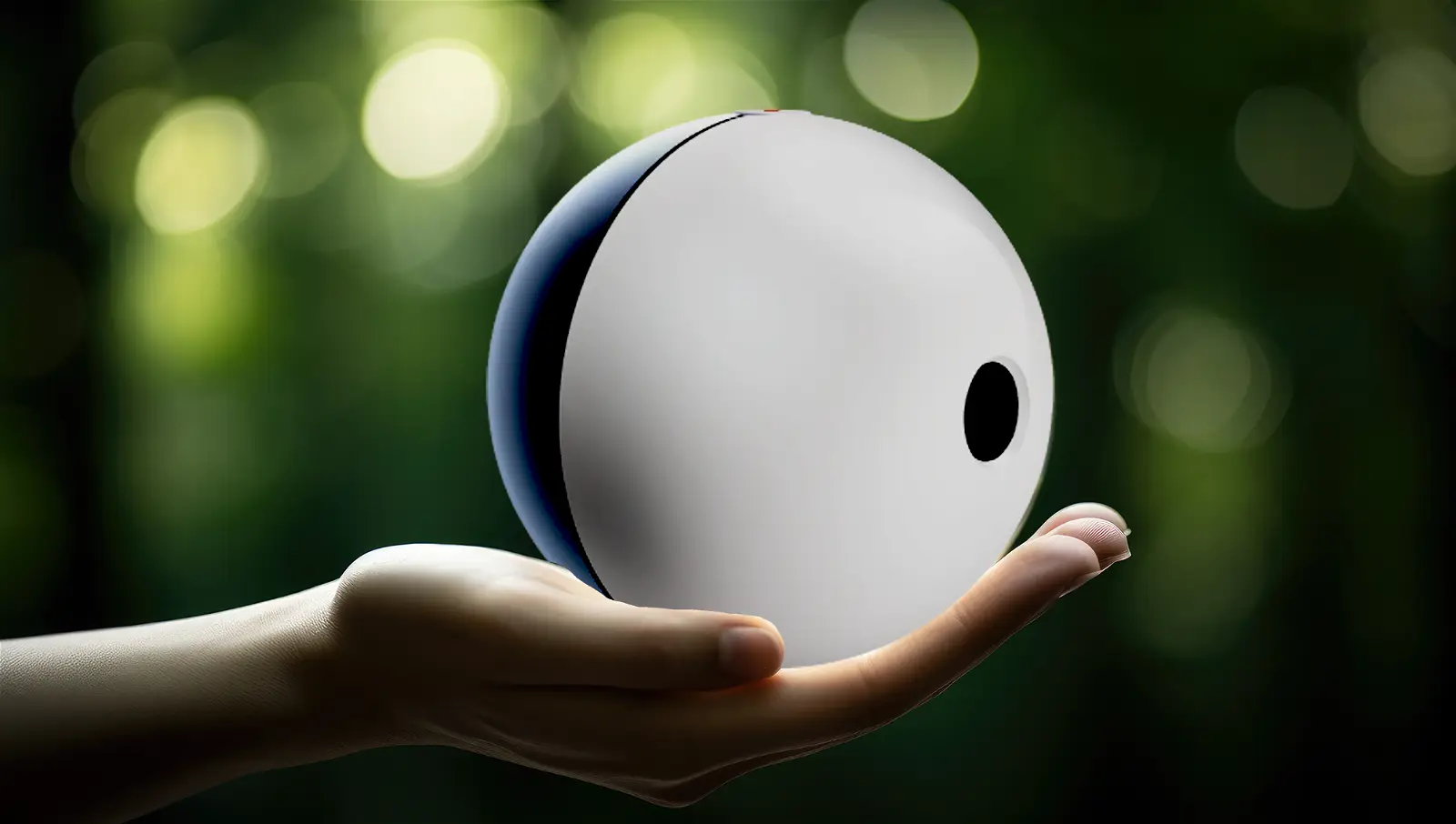
In January, Jerry O’Leary and I launched a Kickstarter campaign (currently <3 days to go) for the world’s thinnest watch, the CST-01. This is a watch we have worked on outside of project work while here at IDEO. On IDEO Labs, our aim is to share our process and give our readers an “under-the-hood” look at some of the things happening here at IDEO and, occasionally, beyond our walls. With that in mind, we wanted to recount the evolution of the design of the CST-01 from early CAD sketches to fully working “design validation units” made from real production parts. Click through for the full story and our process images:
At IDEO, “What if we…?” is a phrase you hear a lot. This “What if?” mindset, plus our love of playing around with new ideas, can lead to some fun experiments. A few months ago, for example, we used agar as a design medium to grow and biohack an electrical circuit.
It all started on a day when Matt Brown and I (Rodrigo Martinez) were both playing around with some sensors, resistors, batteries, and speakers. Matt was building a prototype for a new synthesizer, and I was sketching a biological circuit.
At some point we began discussing how we might make a living circuit.
“What do you mean living?” asked Matt.
“What if we grow a part of the circuit, you know, as in grow rather than buy?” I said.
For a while we discussed how the “living” dimensionality of the circuit would influence our own perception of the exercise and its implications. Yup, at that point we were over-thinking the whole thing.
Finally we just decided to make it.
We asked five designers at IDEO to submit a pattern they thought was interesting. Here is what they came up with:
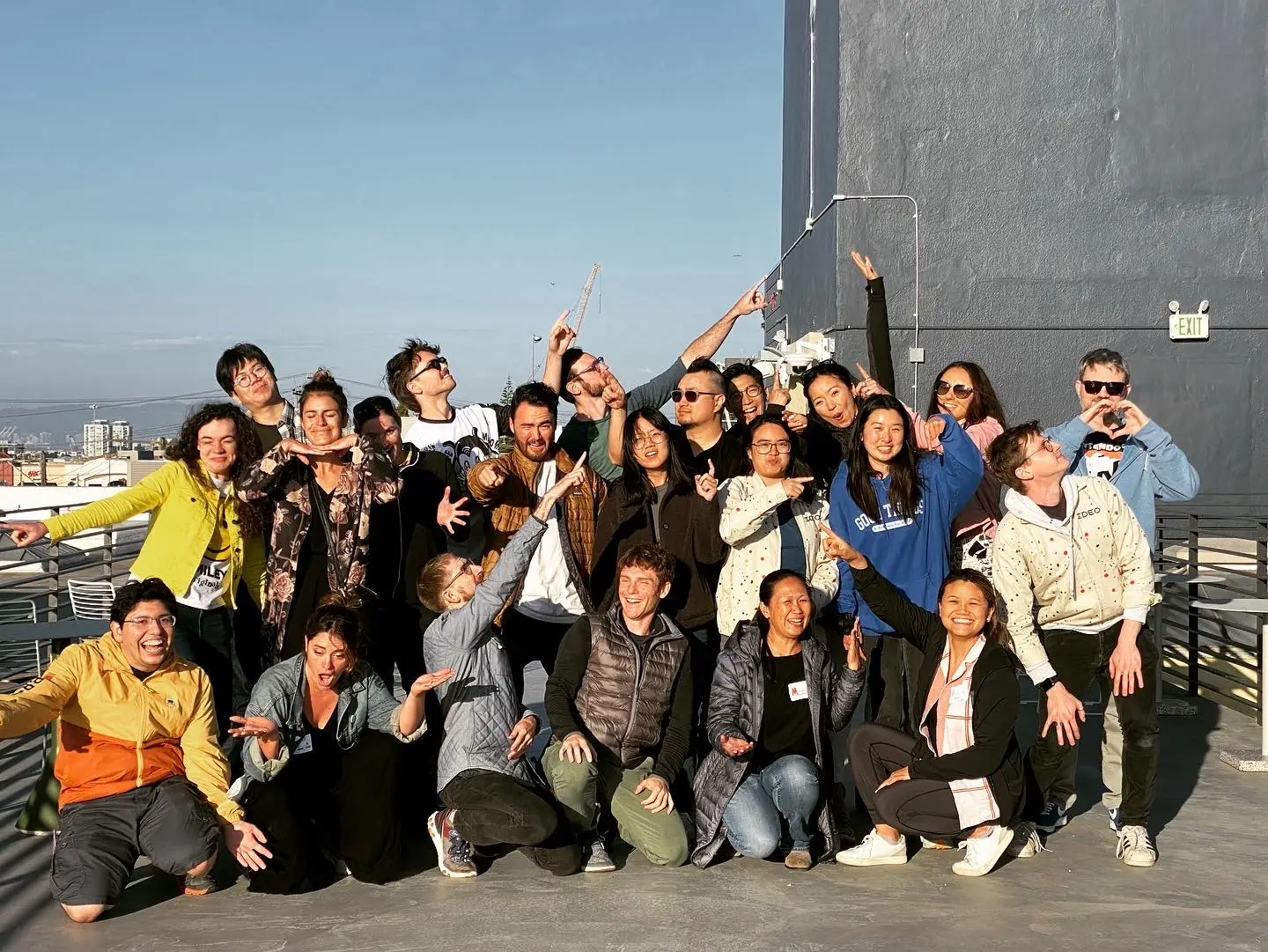
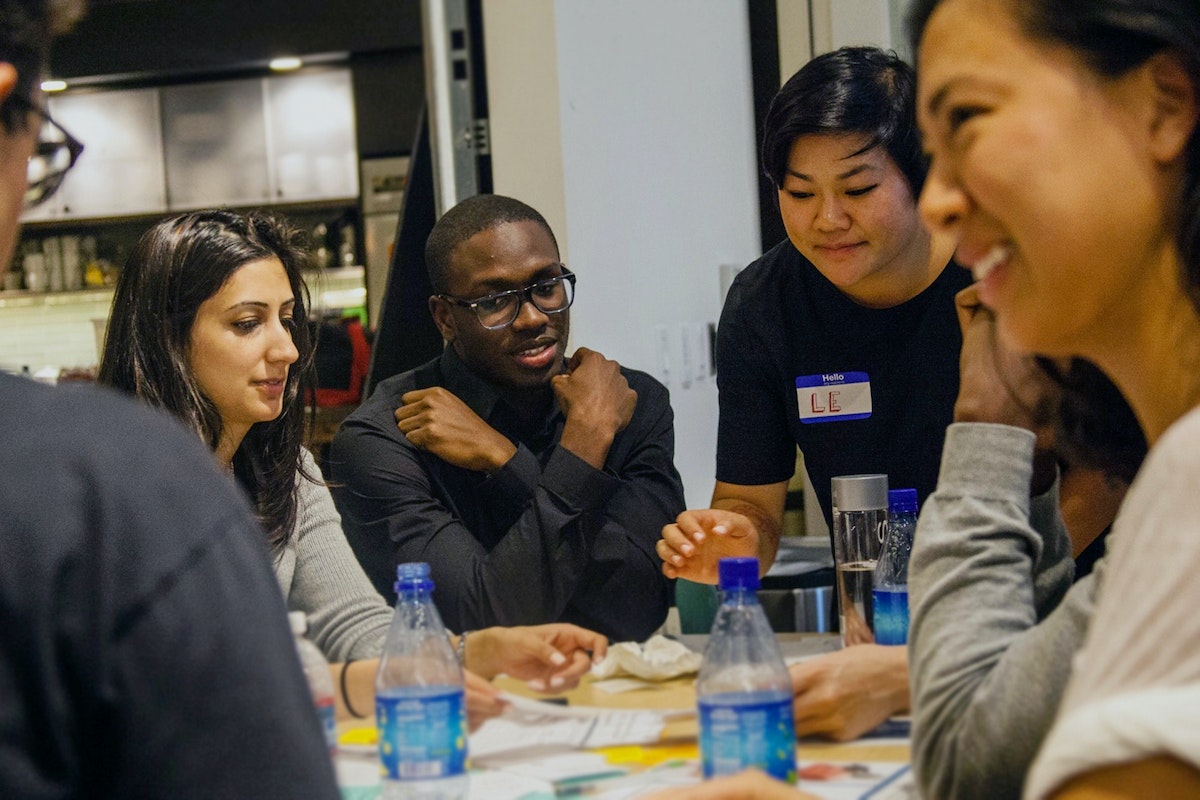
In November 2012, a crowd of over 100 designers, engineers, facilitators, technologists, policymakers, health and social care professionals, and people with first-hand experience of issues with independent living, all gathered for the inaugural Enabled by #Designathon at Ravensbourne College in London, UK.
The brainchild of the folks at Enabled by Design, and supported by IDEO, The Technology Strategy Board, Ravensbourne, sugru and FutureGov, the goal of the event was to prove that “good design enables people to live as independently as possible, by making day-to-day tasks that little bit easier.”
Years ago, IDEO projects were primarily completed inside our studios. No longer. These days, more and more IDEO designers are embedded with client teams around the globe and prototyping in the field.
This initially created some technology and infrastructure challenges. Things like storage (a file server), connectivity (the Internet, a wired and wireless local area network), enterprise grade server architecture (domain controllers, print servers, etc.) and protection (a professional-grade firewall) all had to be accessible in remote locations.
Basically, we needed to find a way to take all this stuff:
And put it in a container small enough for a designer to hand carry on a plane. Oh, and also make sure it works anywhere in the world, with whatever voltage is prevalent. (more…)
Hacking and building new ways for Chicagoans to eat, move, and learn.

Inspired by the IDEO Make-a-thon prototyped in the London studio, our Chicago studio launched the first IDEO Make-a-thon in the US as part of Chicago Ideas Week—a city-wide celebration of “sharing ideas, inspiring action, and igniting change to positively impact our world.”
Our goal: use design thinking and rapid prototyping to hack and build solutions to some of the big gnarly problems that Chicago faces around healthy food, urban cycling, and public education. In partnership with Feeding America, Alta Bicycle Share, and Chicago Public Schools, we chose three themes for our day-long maker fest: “Eat,” “Move,” and “Learn.” Together we created three multi-disciplinary Make teams, composed of IDEO designers, outside experts, and special guests. (more…)